
When people hear the phrase “generational wealth,” they often think of financial assets: money, property, investments, or businesses passed down from one generation to the next.
But some of the most valuable things we can leave our children can’t be deposited into a bank account.
Generational wealth can also take the form of empowerment.
It can look like confidence. Resilience. Discipline. The ability to set boundaries. The ability to recognize danger, solve problems, and stand up for yourself when life gets difficult.
These are skills that appreciate over time. Unlike money, they can’t be stolen, lost in a market downturn, or spent away. They become part of who a person is and influence every decision they make for the rest of their life.
As parents, it’s natural to focus on academics, sports, and creating opportunities we may not have had growing up. We want our children to have a better life than we did. But one of the greatest gifts we can give them is the ability to confidently navigate the world on their own.
That means teaching them how to face difficult things.
Children who experience adversity in healthy, controlled environments and are given the tools to overcome it are often better equipped to handle the challenges of adulthood. Imagine yourself for a moment and the skills you’ve developed over your lifetime. Now imagine if someone had intentionally taught you more of those lessons as a child. How much easier would it have been to handle conflict, stand up for yourself, set boundaries without guilt, or recover from setbacks?
Those lessons don’t happen by accident. They are taught, practiced, and reinforced over time.
That’s why training programs that focus on self-defense, personal responsibility, and confidence-building can have such a profound impact on a child’s development.
Take Youth Brazilian Jiu-Jitsu, for example.
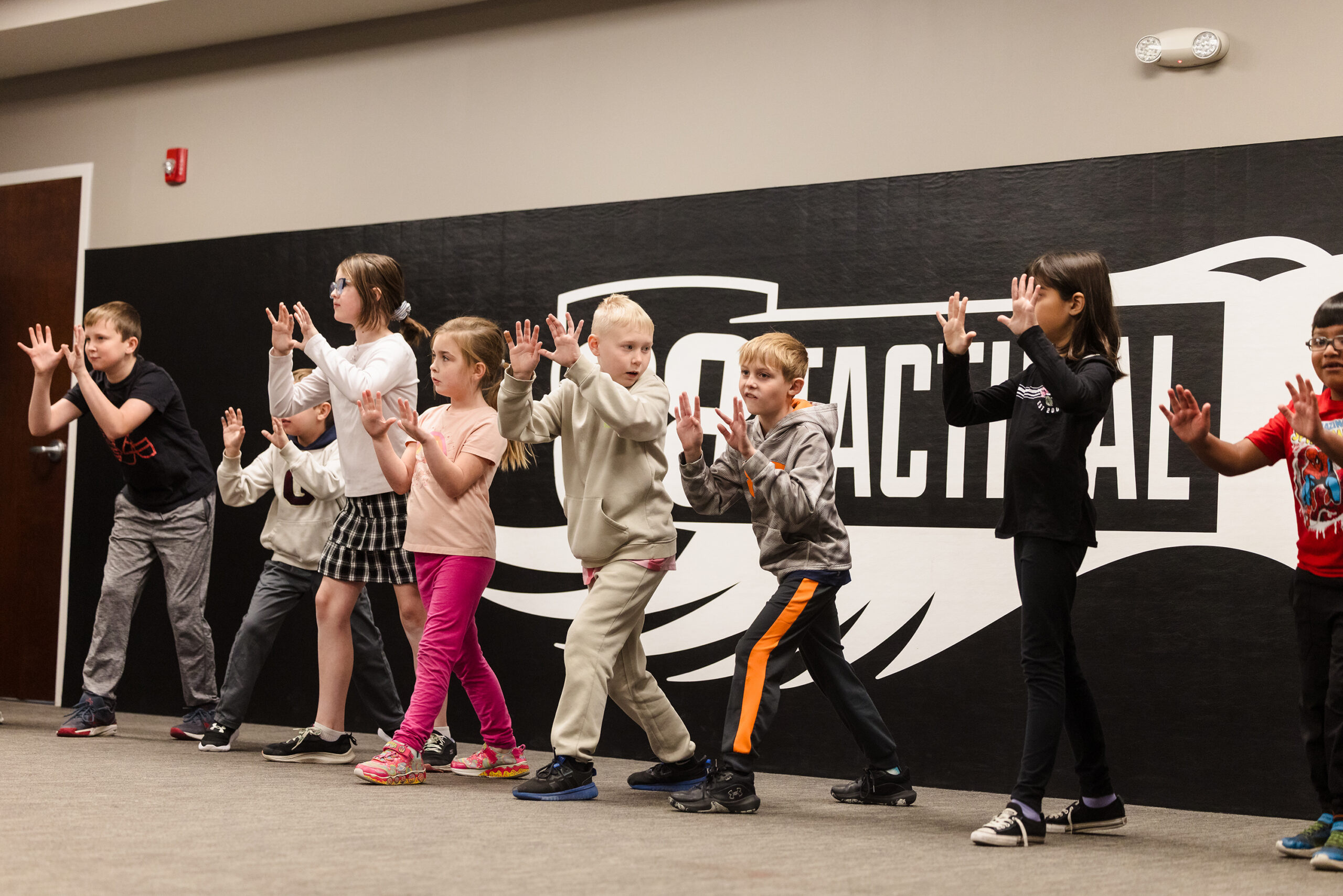
On the surface, children are learning a physical skill. They learn how to escape holds, defend themselves, and control their bodies. But beneath the surface, they’re learning something much bigger.
They’re learning how to be uncomfortable.
They’re learning patience when techniques don’t come easily. They’re learning humility when they fail. They’re learning perseverance when they want to quit. They’re learning how to stay calm under pressure and how to manage frustration in a healthy environment.
Every time a child struggles through a difficult class, loses a round, or finally masters a technique after weeks of practice, they are building resilience.
Jiu-Jitsu also teaches children how to work with others. Success requires trust, communication, and cooperation. Students must constantly train with different partners, solve problems together, and support one another’s growth. In many cases, they develop friendships and a sense of community that further strengthens their confidence and self-esteem.
The same principle applies to firearm safety education.
Some parents hesitate to introduce their children to firearms because they believe avoiding the topic is the safest approach. However, education has always been one of the most effective tools for reducing risk.
Gun safety courses demystify firearms, dispel dangerous myths, and teach children concrete safety rules that can prevent tragic accidents. Rather than relying on misinformation from movies, social media, video games, or peer pressure, children learn what firearms are, how they should be treated, and what to do if they ever encounter one.
Knowledge replaces curiosity. Understanding replaces uncertainty.
Children gain confidence not because they are handling something dangerous, but because they are learning how to safely and responsibly navigate something that exists in the world around them.
Self-defense training provides another layer of empowerment.
Children learn how to use their voices, project confidence, and establish boundaries. They learn that they are allowed to say “no,” remove themselves from uncomfortable situations, and seek help when necessary.
These skills make children less attractive targets for bullies and predators alike.
More importantly, they create a foundation that extends far beyond childhood.
Bullies don’t disappear when we become adults. They simply change form. The playground bully may become a manipulative coworker, an abusive partner, a controlling friend, or someone who attempts to take advantage of our inability to establish healthy boundaries.
Children who learn these lessons early enter adulthood with a framework for recognizing unhealthy behavior and the confidence to address it.
Training also teaches situational awareness.
Children learn to pay attention to their surroundings, recognize warning signs, trust their intuition, and avoid dangerous situations before they escalate. Over time, these skills become second nature.
A child who learns to trust their instincts often becomes an adult who can recognize when something feels wrong and take action before a problem develops into a crisis.
These skills may not show up on a report card, but they shape nearly every aspect of a person’s life. They influence relationships, careers, personal safety, confidence, leadership, and decision-making. They help determine how a person responds to stress, adversity, and uncertainty. They become part of the foundation upon which everything else is built.
None of these are “nice-to-have” skills.
They are essential life skills.
Final Thoughts
In a world that often feels increasingly uncertain, the ability to think critically, establish boundaries, remain resilient, protect yourself, and confidently navigate challenges is a form of wealth all its own.
As parents, we spend a great deal of time preparing our children for college, careers, and financial success.
We should spend just as much time preparing them for life.
Because the greatest inheritance we can leave our children isn’t always money.
Sometimes it’s the confidence, capability, and empowerment that allow them to build a better future for themselves.
Confidence isn’t something children are born with. It’s something they’re taught, practiced, and earned. Every skill they learn today becomes part of the foundation they’ll stand on tomorrow.
