Understanding the barriers—and why more people in Omaha are choosing to train.
Personal safety is something most people think about, yet surprisingly few civilians ever enroll in a self-defense training program. Even in communities like Omaha, Nebraska, where awareness of personal protection is growing, many people delay or completely avoid training.
The reasons aren’t always obvious. For many civilians, hesitation comes from misconceptions about training, psychological barriers, or past experiences with ineffective programs. Understanding these factors helps explain why participation remains lower than it should be—and why modern training programs are changing that trend.
Misconceptions About What Self-Defense Training Really Looks Like
One of the biggest barriers is perception.
Many civilians assume self-defense training means learning complex martial arts techniques or engaging in intense physical combat. Movies and social media often reinforce the idea that self-defense requires athletic ability or years of martial arts experience.
In reality, effective self-defense programs focus on practical, repeatable skills such as:
- Situational awareness
- Recognizing threats early
- Verbal boundary setting
- Simple defensive movements
Modern programs like the Everyday Defender Series are built specifically for civilians. The goal is not to turn someone into a fighter—it’s to help people recognize danger early and respond effectively if a situation escalates.
Fear of Physical Intensity
Another reason civilians avoid self-defense classes is the assumption that training will be overly aggressive or physically demanding.
Many people worry about:
- Getting injured
- Being embarrassed by their fitness level
- Being placed in uncomfortable situations
In reality, most professional training programs are structured to accommodate all fitness levels and experience levels. Instructors gradually build skills while maintaining a safe and supportive learning environment.
For many participants, the biggest surprise is realizing how accessible and empowering the training actually is.
Overly Complex Traditional Programs
Some traditional self-defense courses unintentionally discourage students by teaching too many techniques without enough repetition.
Under stress, the human brain doesn’t recall long sequences of movements. Instead, people rely on instinctive actions they have practiced repeatedly.
When programs overload students with complicated techniques, participants can feel overwhelmed or unsure of their abilities. This often leads to frustration or lack of confidence.
The most effective programs simplify the learning process and focus on building strong, reliable habits.
Psychological Barriers and Comfort Zones
Self-defense training also requires a mindset shift.
People must think about situations they hope will never happen. For some, this can create discomfort or anxiety. Others simply postpone training because stepping into something new feels intimidating.
Common mental barriers include:
- Fear of failure
- Fear of confrontation
- Anxiety about physical training
- Procrastination
However, once people attend their first class, they often realize that training is far more approachable than expected.
The “It Won’t Happen to Me” Mindset
Another major reason civilians avoid training is the belief that dangerous situations are unlikely to occur in their lives.
People may feel safe because they:
- Live in a good neighborhood
- Avoid certain areas
- Rely on other means of protection
While Omaha is widely considered a safe city, personal safety skills are valuable everywhere. Preparation is not about expecting danger—it’s about building confidence and awareness.
Many individuals complement physical self-defense training with legal defensive tools such as firearms training and permitting courses. Programs like the Everyday Defender Series help civilians understand the legal and responsible use of defensive tools while reinforcing the importance of training and preparedness.

Self-Defense Training That Feels Relevant
Another challenge with older programs is that they sometimes focus exclusively on physical combat techniques. In reality, most dangerous situations are avoided long before physical force is necessary.
Effective training integrates multiple layers of personal safety:
- Awareness and threat recognition
- De-escalation skills
- Boundary setting
- Escape strategies
- Physical defense if necessary
This well-rounded approach helps civilians feel more confident and capable in everyday environments.
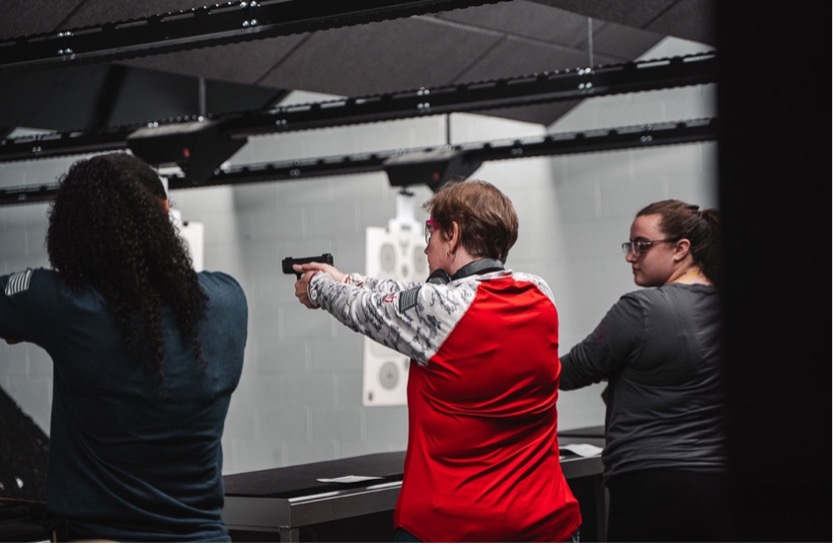
Programs designed specifically for women also emphasize these principles. Courses like Women’s Self Defense Course and Basic Primal Defense focuses on situational awareness, confidence-building, and realistic defensive skills in a supportive environment.
Why More People in Omaha Are Choosing to Train
Despite the barriers that prevent many civilians from enrolling in self-defense programs, interest in personal protection training continues to grow throughout Omaha and the surrounding communities.
People are increasingly recognizing that training provides benefits beyond physical techniques.
It builds:
- Confidence in unfamiliar situations
- Awareness of surroundings
- Better decision-making under stress
- A proactive mindset toward personal safety
For many individuals, self-defense training becomes an empowering experience that improves both safety and confidence in everyday life.
Take the First Step Toward Personal Safety
For most people, the hardest part of self-defense training is simply getting started. Many civilians hesitate because they’re unsure what to expect. Once they attend a structured class, they quickly realize the training is practical, supportive, and designed for everyday people.
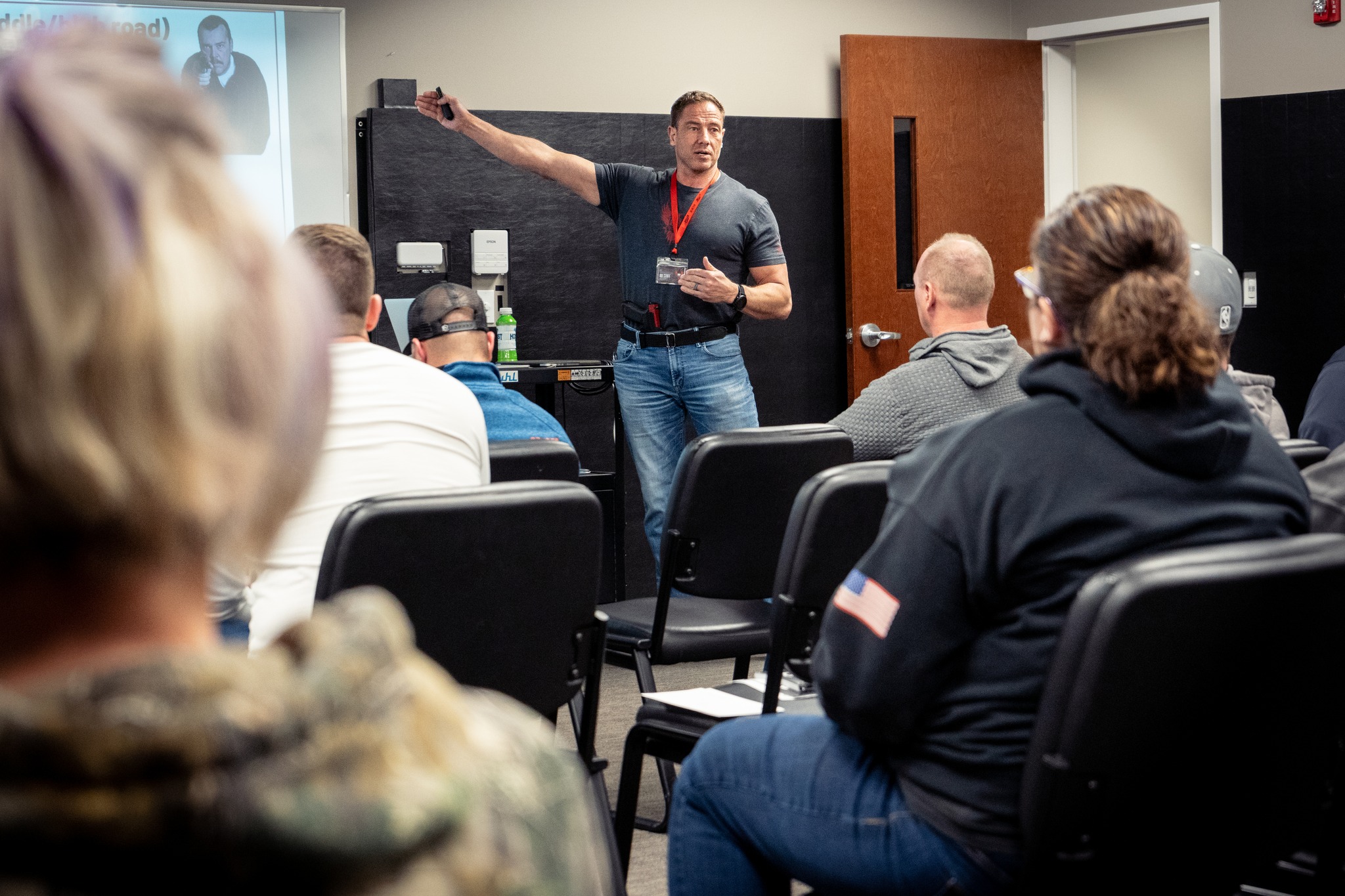
If you’re in Omaha, NE, a great place to begin is the Everyday Defender Series at 88 Tactical. These in-person seminars introduce the fundamentals of personal safety, including situational awareness, threat recognition, and practical strategies for avoiding danger.
The Defender Series is the perfect starting point before advancing into hands-on training like Primal Defense, women’s self-defense, or a Nebraska concealed carry permit class.
Explore upcoming training opportunities at 88 Tactical and start building your confidence, awareness, and personal safety skills today!
